
Why Some People Always Feel Cold (Especially in Their Feet)
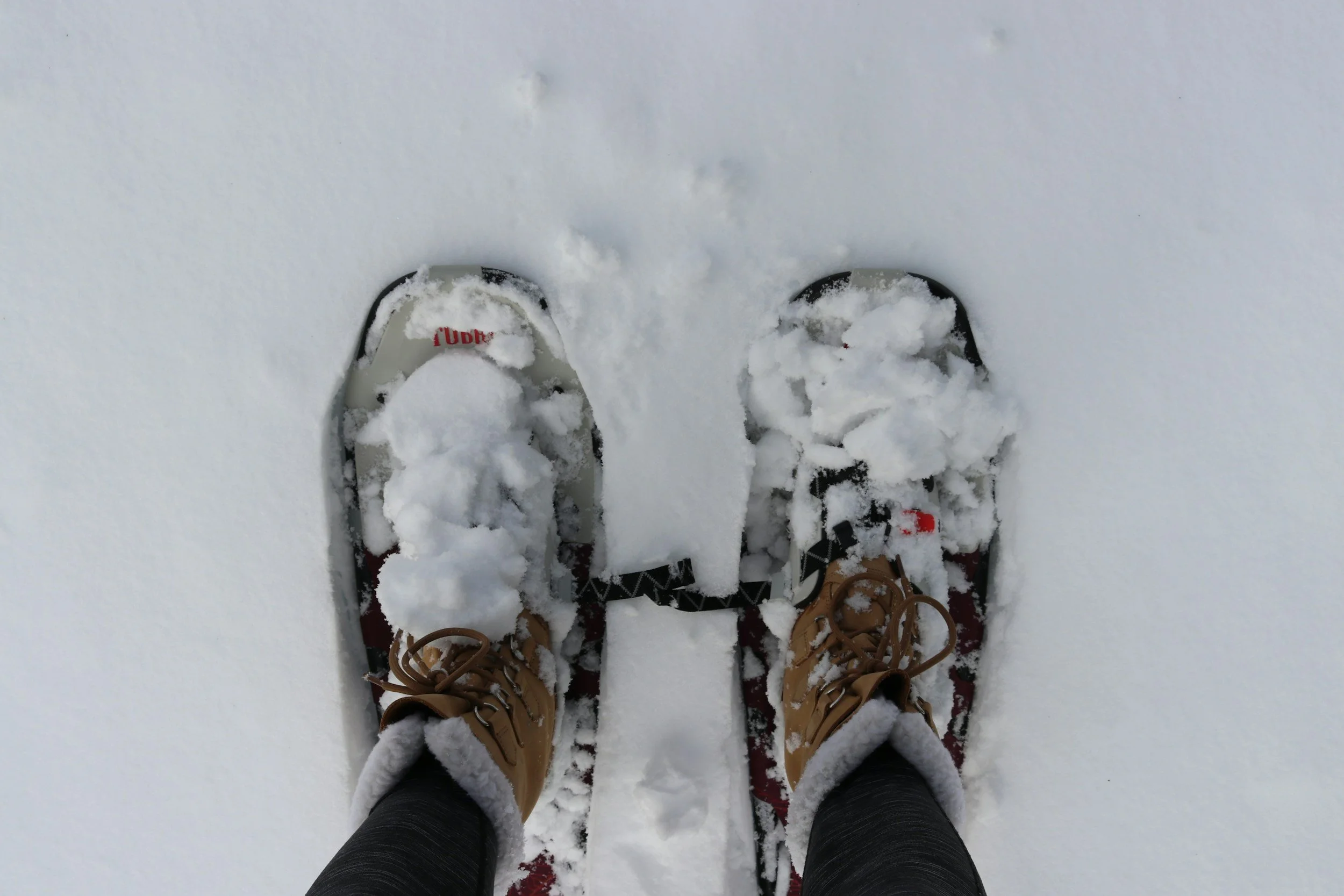
Do your feet stay cold no matter how many layers you wear?
Do you often feel chilly when others are comfortable?
Or do you warm up slowly, especially in winter?
In Traditional Chinese Medicine (TCM), constantly feeling cold — especially in the feet — is more than a circulation issue. It reflects deeper patterns of imbalance involving Kidney Yang, Spleen Qi, and the smooth flow of Qi and Blood throughout the body.
Understanding why this happens is the first step toward feeling warm again.
Why Are the Feet Always the Coldest?
The feet are the farthest point from the heart and rely on strong Qi and Yang energy to move warmth downward. When internal warming systems are weak, the extremities become the first to feel cold.
TCM views cold feet as a sign that your body’s “inner furnace” isn’t burning strongly enough.
1. Kidney Yang Deficiency: The Most Common Cause
In TCM, Kidney Yang is the source of the body’s warmth, metabolism, and overall vitality.
When Kidney Yang is weak, the body struggles to warm itself.
Key signs include:
Cold feet or hands
Cold lower back
Low energy
Slow digestion
Frequent urination (especially at night)
Feeling cold “from the inside”
Low motivation, sluggishness
People with Kidney Yang deficiency often feel cold year-round, not just in winter.
Why this happens:
Overwork or chronic stress
Lack of sleep
Aging (Yang naturally declines)
Long-term illness
Excess consumption of cold foods or drinks
TCM warms and strengthens the Yang energy so the body produces heat more effectively.
2. Spleen Qi Deficiency: Cold From Poor Circulation
The Spleen system is responsible for transforming food into Qi and Blood.
When the Spleen is weak, circulation suffers, and the body struggles to transport warmth to the extremities.
Common signs:
Cold feet after meals
Bloating, loose stool, low appetite
Fatigue after eating
“Soft” cold sensation (not deep bone cold)
Brain fog
Triggers:
Too many cold/raw foods
Diet high in sugar or dairy
Chronic overthinking/worry
Irregular eating habits
Supporting Spleen Qi improves warmth, digestion, and energy.
3. Blood Deficiency or Qi Stagnation: Not Enough Flow
Even if the body produces heat, that warmth must move to the feet.
If Qi or Blood flow is weak or stagnant, the feet stay cold.
Blood deficiency signs:
Pale complexion
Dizziness
Dry skin
Fatigue
Cold hands and feet
Qi stagnation signs:
Cold feet with anxiety or stress
Alternating cold and warm areas
Tension in the chest, shoulders, or abdomen
Poor circulation patterns
Emotional stress can worsen Qi stagnation, tightening the body and restricting warmth.
4. Yang is Blocked (Cold-Damp Accumulation)
Sometimes it’s not deficiency — it’s obstruction.
Cold-Damp can block the channels in the legs and prevent warmth from reaching the feet.
Signs:
Heavy, cold legs
Edema or swelling
Cold feet even under blankets
Worsening symptoms in cold/damp weather
This pattern needs warming, drying treatments to open the channels.
How TCM Helps Warm the Body
TCM doesn’t just warm the feet superficially — it strengthens the internal systems responsible for warmth.
1. Acupuncture
Acupuncture helps by:
Strengthening Kidney Yang
Improving circulation to the legs and feet
Releasing stagnation
Boosting energy
Supporting digestion
Points on the lower back, abdomen, and legs are especially effective.
2. Moxibustion (Heat Therapy)
Moxa warms meridians and strengthens the body’s internal Yang.
It is excellent for:
Cold feet
Cold hands
Fatigue
Slow digestion
Winter sensitivity
JD AcuCare also offers smokeless warming treatments for patients sensitive to smoke.
3. Herbal Medicine
Herbs can:
Warm Kidney Yang
Strengthen Spleen Qi
Improve circulation
Resolve Cold-Damp
Nourish Blood
Formulas are tailored depending on whether the pattern is deficiency, stagnation, or obstruction.
4. Diet & Lifestyle Support
Simple changes significantly improve warmth:
Helpful foods:
Soups, stews, broths
Ginger, cinnamon, nutmeg
Steamed or roasted vegetables
Warm water instead of cold drinks
Avoid:
Raw salads (especially in winter)
Smoothies
Cold drinks
Excess sugar
Iced coffee (a common culprit!)
Keeping the lower back and feet warm also protects Kidney Yang.
✨ Cold Feet Aren’t Just a Winter Issue — They’re a Pattern
Whether due to Yang deficiency, weak digestion, poor circulation, or stress, cold feet are a sign of imbalance that TCM can help correct.
By strengthening the body’s internal warmth, supporting circulation, and restoring balance, TCM helps you feel warm from the inside out