
Natural Support for Uterine Health in Calgary Acupuncture & Herbal Medicine
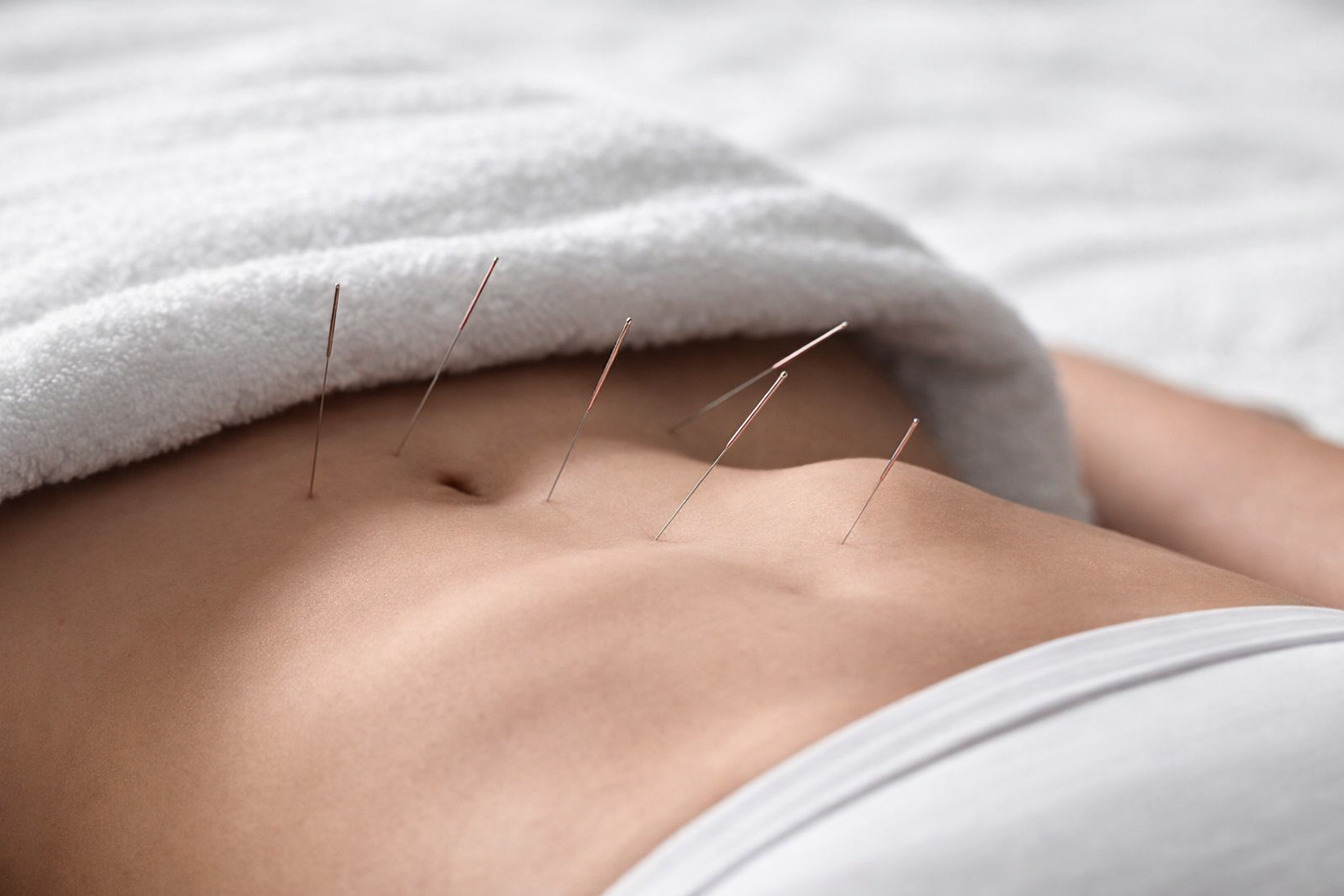
Women’s uterine health affects far more than the menstrual cycle. It influences hormonal balance, pelvic circulation, fertility, postpartum recovery, emotional stability, and long-term vitality.
At JD AcuCare in Calgary, we provide individualized acupuncture and Traditional Chinese Medicine (TCM) herbal therapy to support women through every stage of life — from painful periods to menopause transition.
Our approach focuses on restoring regulation, improving circulation, and addressing the root pattern contributing to symptoms.
Common Uterine Health Concerns
Women often seek acupuncture and herbal medicine for:
Painful or irregular periods
Heavy bleeding or clotting
PMS symptoms and hormonal acne
Fertility preparation and cycle regulation
Postpartum recovery support
Perimenopause and menopause symptoms
Chronic pelvic discomfort
Endometriosis or fibroid-related symptoms
Rather than treating symptoms in isolation, TCM evaluates circulation quality, internal warmth, stress load, and constitutional balance.
How Acupuncture Supports Uterine Health
Acupuncture works through neurovascular and autonomic regulation.
Research suggests acupuncture may help:
Improve blood flow to the pelvic region
Regulate hypothalamic-pituitary-ovarian signaling
Reduce inflammatory responses
Stabilize menstrual rhythm
Decrease cramping and pelvic tension
Support postpartum uterine recovery
Many Calgary patients choose acupuncture as a natural option when they want supportive care alongside conventional medical treatment.
At JD AcuCare, treatments are customized based on individual presentation rather than a one-size-fits-all protocol.
Herbal Medicine for Hormonal and Uterine Balance
Traditional Chinese herbal medicine has been used for centuries to address women’s health patterns.
Herbal therapy may be designed to:
Improve Circulation: Helpful when symptoms include clots, sharp pain, or fixed pelvic discomfort.
Warm the Uterus: Used when cramping improves with heat or cycles are delayed and light.
Calm Inflammatory Patterns: Considered in cases of chronic pelvic irritation or tissue discomfort.
Rebuild After Childbirth: Supports replenishment of blood and energy during postpartum recovery.
Formulas are individualized and adjusted based on ongoing assessment.
Fertility & Cycle Regulation
For women preparing for pregnancy, acupuncture and herbal medicine may support:
Regular ovulation
Healthy uterine lining development
Reduced stress response
Improved pelvic circulation
Many patients incorporate acupuncture into their fertility plan as a complementary approach.
Postpartum & Menopause Support
Postpartum Recovery
After childbirth, the uterus undergoes significant changes. Support may focus on:
Restoring circulation
Rebuilding strength
Regulating bleeding
Improving energy levels
Perimenopause & Menopause
Hormonal shifts can bring:
Irregular cycles
Heat sensations
Sleep disturbances
Mood fluctuations
A regulatory approach may help ease transition phases naturally.
Why Women in Calgary Choose JD AcuCare
At JD AcuCare, we:
Provide personalized TCM diagnosis
Offer acupuncture and customized herbal prescriptions
Integrate lifestyle and nutrition guidance
Focus on long-term regulation rather than temporary symptom relief
Our clinic serves women across Calgary seeking a structured, evidence-informed approach to reproductive and hormonal health.
Considering Acupuncture for Uterine Health?
If you are experiencing menstrual discomfort, fertility challenges, postpartum weakness, or menopausal instability, acupuncture and herbal medicine may offer supportive care.
JD AcuCare provides individualized treatment plans designed to restore balance and support long-term wellness.