
“Serving Body, Mind, and Spirit in the Way of Jesus Christ.”
JD Healing Mission (JD meaning “Jesus’ Disciples”) is a Christian medical outreach ministry dedicated to serving vulnerable and underserved populations, providing free healthcare services to individuals who have limited access to care in communities. Our mission is to offer a holistic path to restoration through spiritual support, professional medical care, and compassionate community outreach.
Purpose
To provide holistic healing that integrates spiritual care with physical wellness.
To restore hope and dignity to vulnerable populations through compassionate support.
To empower individuals with the tools for self-care and spiritual growth.
To build a supportive community rooted in faith and wellness education.

Ministry Focus Areas
Clinical Outreach: Offering complimentary acupuncture treatments and herbal consultations to individuals with limited access to healthcare.
Spiritual Care & Discipleship: Facilitating bible studies, prayer gatherings, and worship services to support spiritual growth.
Community Support Initiatives: Providing outreach services for individuals experiencing homelessness, financial or medical hardship, refugee resettlement transitions, social vulnerability, or residence in institutional settings.
Health & Christian Education Programs:
Providing education and training in nutrition, holistic wellness practices, and foundational Christian teaching through classes, seminars, small groups, and community-based learning initiatives.Mission Outreach in Canada and Internationally
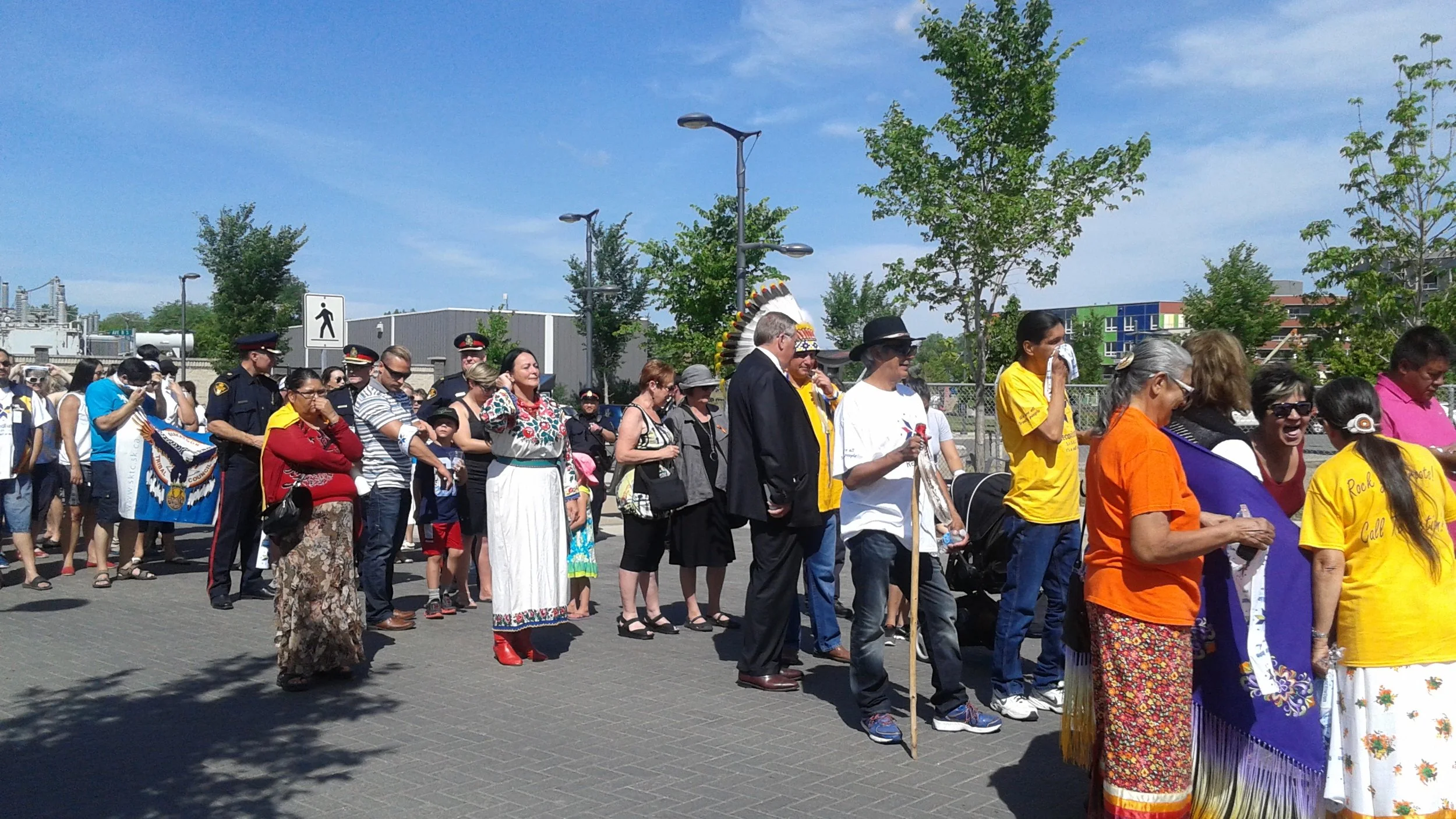
Participating in mission trips to Indigenous reserves within Canada and to communities abroad, providing integrated medical and spiritual ministry support.
Current Mission Initiatives
Medical Outreach in Calgary
Providing healthcare services to vulnerable populations—including individuals experiencing homelessness, low-income families, refugees, newcomers, seniors, and those facing medical hardship. Services are delivered in collaboration with charitable organizations in Calgary.Medical and Prayer Ministry to Indigenous Communities in Alberta
Delivering healthcare support alongside spiritual care and prayer ministry to Indigenous communities across Alberta.
Evangelistic Outreach in Calgary
Proclaiming the gospel through personal conversations, prayer ministry, and respectful distribution of gospel tracts, while offering spiritual encouragement and pastoral support to vulnerable individuals in the community.
Christian Education and Discipleship Development
Developing biblically grounded curriculum, leading structured Bible studies, and facilitating prayer gatherings to strengthen spiritual formation.
Join Our Healthcare Outreach Team: Bring Your Healing Profession to the Mission Field
Step into purposeful service. Volunteer today and be part of transforming lives.
Christian Healthcare Professionals—Answer the Call to Serve
Christian healthcare professionals are invited to step forward and make a meaningful and lasting impact. If you are a physician, nurse, chiropractor, physiotherapist, massage therapist, counselor, or other licensed healthcare practitioner, your professional training can become a powerful instrument of healing and hope.
Join this mission to provide compassionate care and practical support to those who need it most. Your time, your clinical expertise, and your willingness to serve can bring both physical restoration and spiritual encouragement to vulnerable communities.
E-transfer donations: info@jdacucare.com
Please write “JD Healing Mission” in the message section.
Scan the QR code for donation details

Meet the Founder & Director
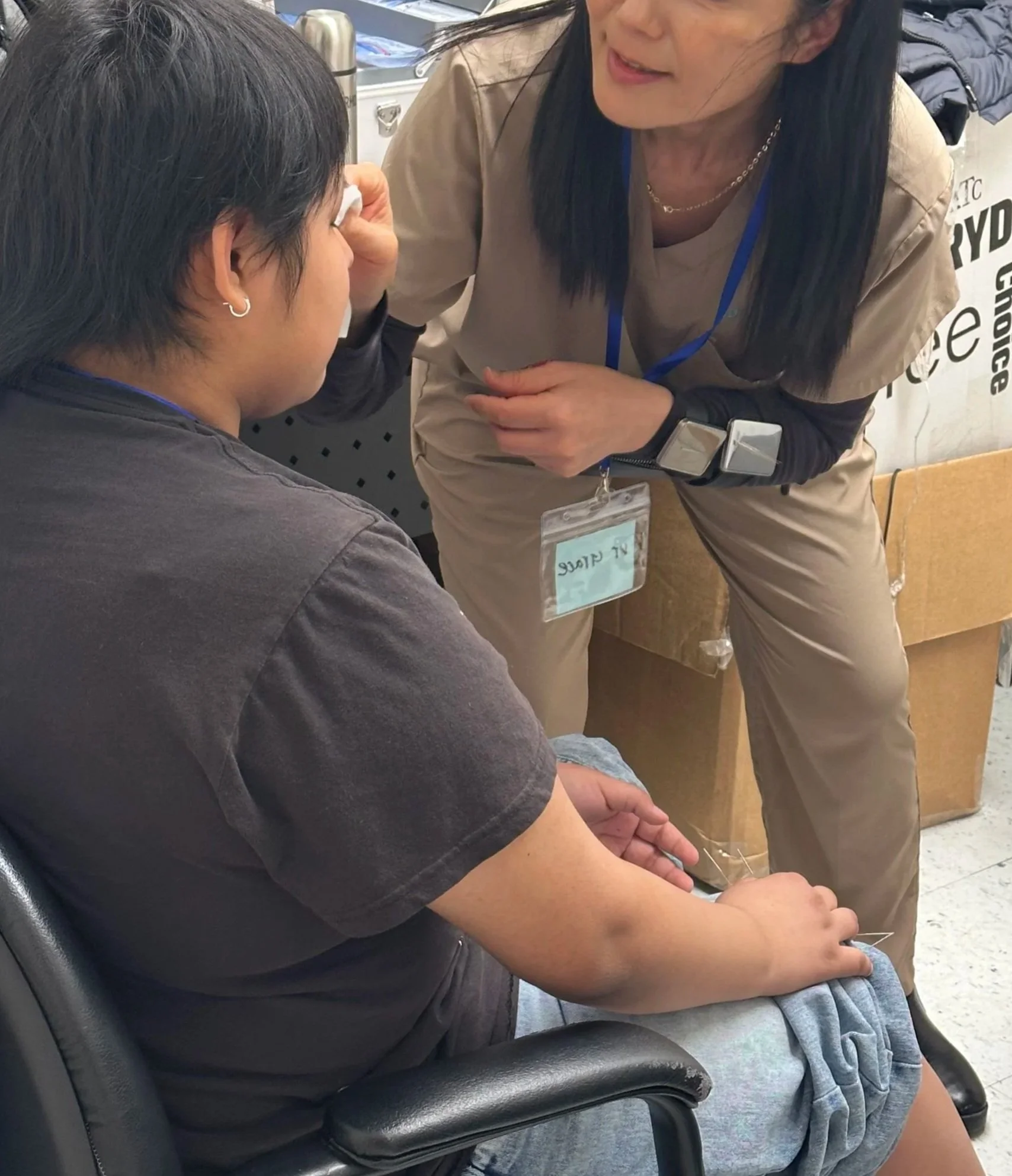
Dr. Kim founded JD Healing Mission out of a deep conviction that physical healing and spiritual hope belong together. As a licensed acupuncturist and practitioner of Traditional Chinese Medicine, she has spent many years helping patients restore balance through acupuncture, herbal therapy, and holistic care.
Since 2012, she has also been involved in mission outreach serving Indigenous communities in Canada, providing healthcare support while walking alongside communities with compassion and respect.
Through her work as a healthcare professional, Dr. Kim increasingly felt called to extend healing beyond the clinic to those who may have limited access to care, particularly vulnerable and underserved populations. This calling led her to establish JD Healing Mission as a platform for medical outreach that integrates professional healthcare with compassionate, faith-centered support.
Her vision is to bring together healthcare professionals who share a heart for service, offering practical care, health education, and encouragement to local and global communities. She believes true healing is not only about relieving physical pain, but also about restoring dignity, renewing hope, and caring for the whole person—body, mind, and spirit.
Through this mission, Dr. Kim seeks to serve with both professional excellence and humble compassion, using her skills to care for others while inviting healthcare professionals to join in serving communities in need.
~Word of Hope ~
Beyond Wounds to the Gospel: The Power of the Cross that Heals Bitter Roots
Jesus does not despise the wounded. He comes near to the brokenhearted, and He calls sinners to Himself with mercy and truth. At the cross, Jesus bore the judgment that we deserved, not to condemn the wounded, but to reconcile sinners to God and to open the way of true healing for all who come to Him by faith.
The gospel is not merely a message of emotional comfort or human self-improvement. It is the good news that Christ died for our sins, rose again, and now offers forgiveness, reconciliation, and new life to all who repent and believe in Him.
1. The Most Common Story in Our World
When we speak deeply with people, one word appears again and again: wounds.
Wounds exist in the closest relationships: between spouses, parents and children, relatives, friends, and colleagues. Even communities formed with good intentions are not free from pain, misunderstanding, betrayal, and disappointment. Because of wounds, some leave precious relationships, others abandon dreams, and some lose hope for life itself.
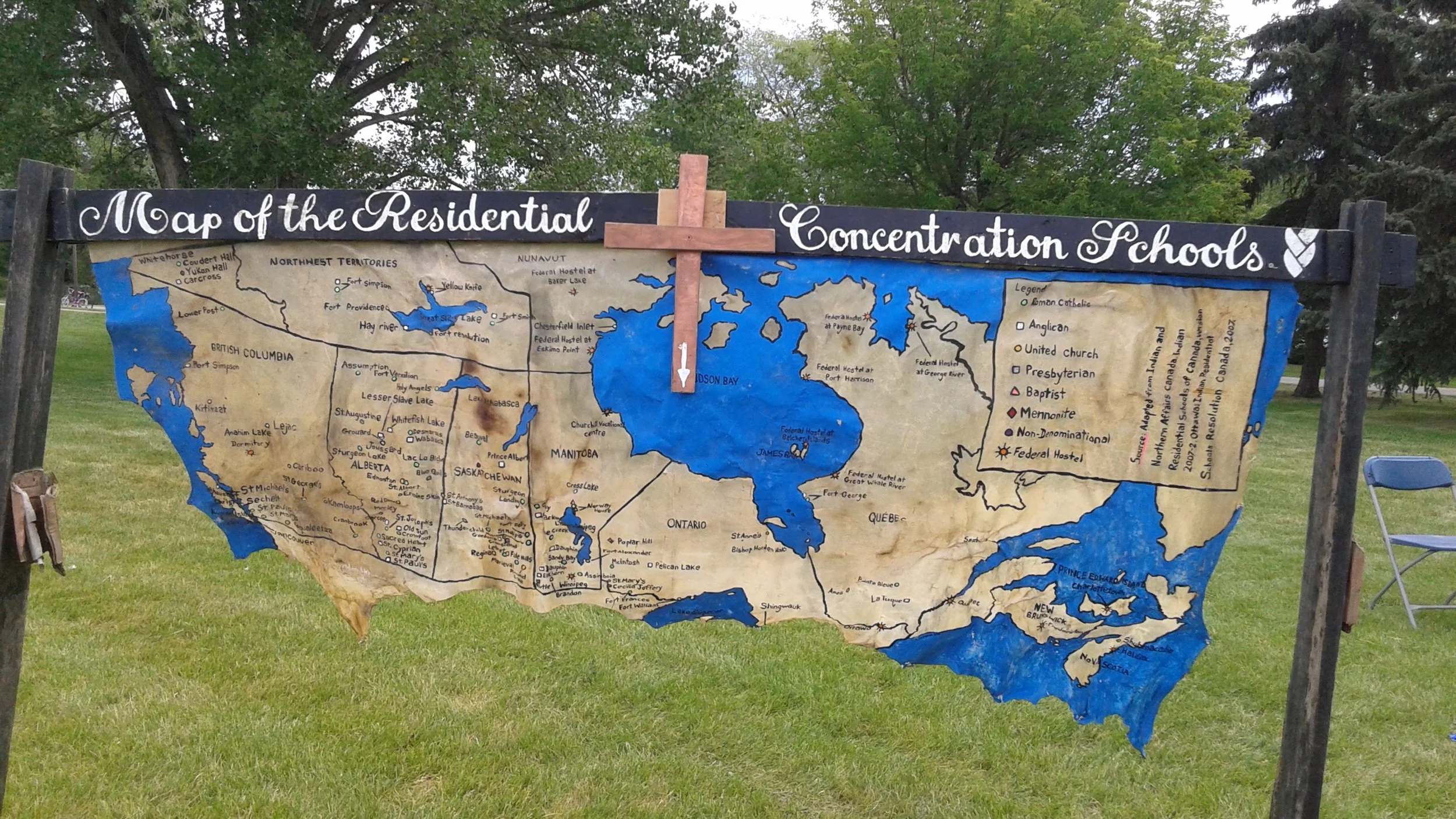
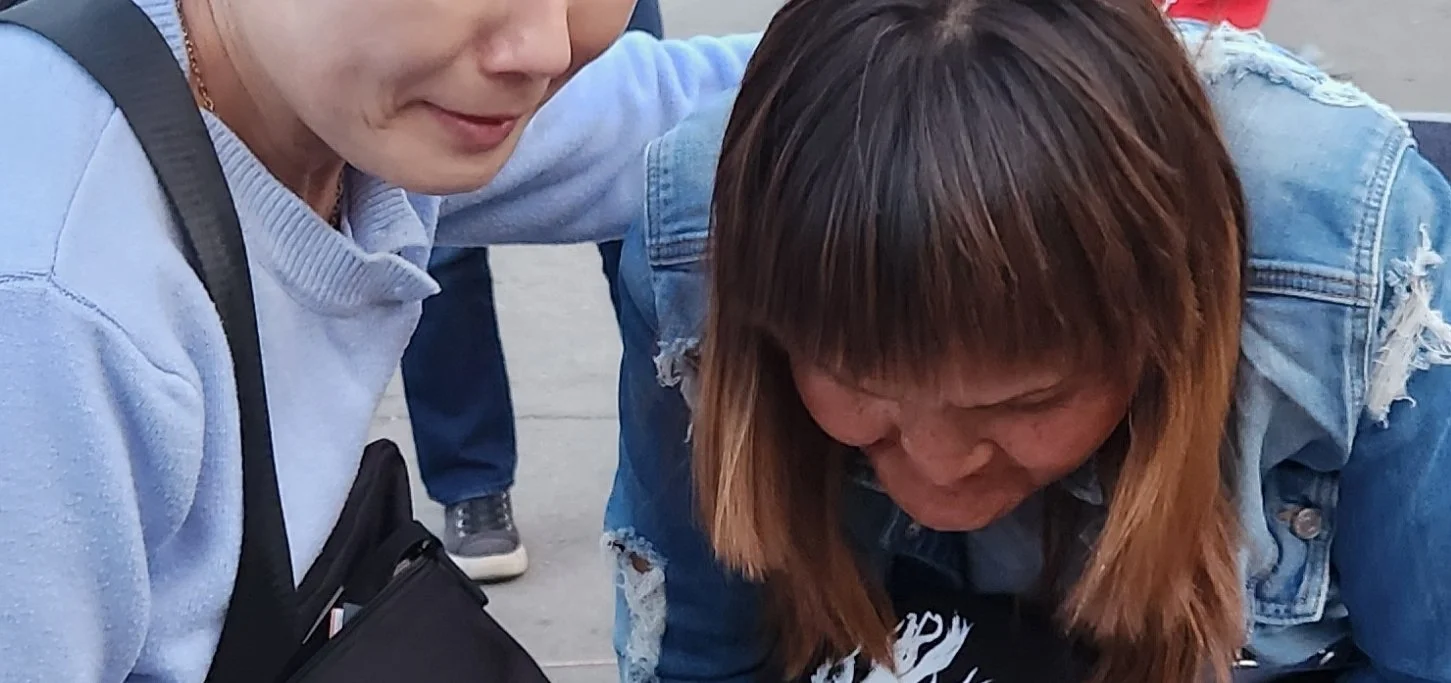
In medical mission, this reality becomes even clearer. As we serve people experiencing homelessness in the city and Indigenous people in reserve communities, we meet people whose wounds are not only physical. Many carry pain in the body, fear in the mind, grief in the heart, and confusion about identity and belonging. Some wounds come through family brokenness. Some come through social rejection and poverty. Some are connected to historical and generational trauma, including the painful legacy of residential schools.
Yet no wound can erase the dignity God has given to a human being. Every person is created in the image of God (Genesis 1:27). Therefore, no one should be defined only by addiction, poverty, homelessness, ethnicity, trauma, failure, or the wounds of the past. Every person has dignity because God is the Creator.
2. The Deeper Wound and the Deeper Hope
The Bible is honest about human suffering, but it also shows us that our deepest problem is not only social, emotional, or physical. Our deepest wound is separation from God because of sin. “All have sinned and fall short of the glory of God” (Romans 3:23).
This does not minimize trauma or injustice. It places every human story before the holy and merciful God who alone can restore us completely. The gospel says that God did not leave us in sin, shame, and brokenness. “God shows his love for us in that while we were still sinners, Christ died for us” (Romans 5:8).
True restoration begins when we are reconciled to God through Jesus Christ. Through His death and resurrection, forgiveness is not merely discussed; forgiveness is accomplished and offered. Those who receive Christ by faith are given the right to become children of God (John 1:12). This is where true identity begins: not in what has happened to us, not in what others have called us, and not in what we have done, but in who God says we are in Christ.
3. The Wisdom of the World and the Wisdom of the Gospel
Today’s culture often offers its own solution to wounds: “Cut off people who harm you,” “Distance yourself from toxic relationships,” or “Protect your peace at any cost.” Sometimes distance and protection are necessary, especially when a relationship is unsafe. But the gospel gives us a deeper wisdom than self-protection alone.
Romans 12:17-21 calls us not to repay evil for evil, but to live peaceably with all as far as it depends on us, to leave vengeance to God, and to overcome evil with good. Biblical wisdom is not about allowing evil to continue, nor is it about isolating every difficult person. True victory is refusing to let evil conquer our hearts.
True peace does not come from hatred, revenge, or selfish separation. It comes from entrusting ourselves to God, speaking truth wisely, seeking protection when needed, and learning to forgive because we ourselves have been forgiven in Christ (Ephesians 4:32; Colossians 3:13).
4. The Sacred Balance of Forgiveness, Justice, and Boundaries
Forgiving someone does not remove that person’s responsibility for wrongdoing. Biblical forgiveness lays down personal revenge, but it does not abandon justice. God is both merciful and just.
Micah 6:8 teaches us to act justly, love mercy, and walk humbly with God. Christian justice does not pursue revenge. It seeks truth, repentance, restoration where possible, and protection for the vulnerable. Therefore, forgiveness and justice are not enemies. They stand together in the gospel.
Jesus also said, “Be wise as serpents and innocent as doves” (Matthew 10:16). If forgiveness lays down hatred, healthy boundaries protect life and guard the heart. Sometimes wise distance, clear limits, outside help, or legal protection are necessary. When there is danger of self-harm, harm to others, or abuse of children or vulnerable adults, Christian love includes seeking proper help and following the law.
Biblical forgiveness does not mean pretending that evil did not happen. It does not require immediate trust. It does not mean that every relationship must return to the way it was before. Forgiveness is the release of vengeance into God’s hands; reconciliation, when possible, requires repentance, truth, safety, and restored trust.
5. From Bitter Roots to Healing
Not all wounds begin with major events. Small disappointments, when hidden, denied, or unresolved, can become poison in the soul. Hebrews 12:15 warns against a “root of bitterness” that grows up, causes trouble, and defiles many.
Unresolved wounds do not simply disappear. They can grow deeper, shaping the way we see God, ourselves, and others. Bitter roots can damage families, churches, mission teams, and communities.
Yet God does not ignore our wounds. Psalm 34:18 says that the Lord is near to the brokenhearted and saves the crushed in spirit. Jesus Himself walked the path of betrayal, rejection, injustice, and suffering. On the cross He prayed, “Father, forgive them” (Luke 23:34).
The cross is the place where human sin was exposed and God’s mercy was displayed. There Christ bore our sin, paid the price of forgiveness, and opened the way for reconciliation with God. Only Christ can reach the deepest roots of bitterness and transform wounded hearts by His grace.
6. The Ministry of Reconciliation and Gospel-Formed Mission
The gospel is about reconciliation. God reconciled us to Himself through Christ and gave us the ministry of reconciliation (2 Corinthians 5:18-19). Mission is not merely delivering religious information. Mission is bearing witness to Christ in word and deed, so that broken people may be reconciled to God and learn to live in the peace of His kingdom.
For this reason, medical mission must serve the whole person: body, mind, heart, and spirit. Medical care can relieve physical suffering. Listening can restore dignity. Prayer can bring comfort. Scripture brings truth. But the deepest healing is found in Christ, because only He can reconcile us to God and make us new (2 Corinthians 5:17-21).
Ministers also need the gospel for themselves. Before we speak the gospel to others, we must preach the gospel to our own souls: “I am a forgiven sinner. I belong to Christ. God alone is enough.” This is not self-salvation. It is daily dependence on the grace of God. Only forgiven people can become forgiving people. Only reconciled people can become servants of reconciliation.
7. Conclusion: Only in Christ
Wounds exist everywhere in this world. Counseling, comfort, compensation, and time can all be helpful, but they cannot fully restore the human soul apart from Christ.
True restoration is found in Jesus Christ. In Him, the brokenhearted are comforted, the guilty are forgiven, the ashamed are clothed with grace, the bitter are freed from vengeance, and the lost are given a new identity as children of God through faith.
This is the heart of JD Healing Mission: to serve wounded people with compassion, to protect the vulnerable with justice and wisdom, to proclaim the hope of the gospel, and to witness the restoring grace of God through Jesus Christ.
May our wounds no longer become prisons of bitterness, but places where the grace of Christ flows. May we move beyond wounds, into the gospel, and into the healing hope of Jesus Christ.
~ 소망의 말씀 ~
상처를 넘어 복음으로: 쓴 뿌리를 치유하는 십자가의 능력
들어가는 말
예수님은 상처 입은 자를 멸시하지 않으십니다. 주님은 마음이 상한 자에게 가까이 오시며, 긍휼과 진리로 죄인을 자신에게로 부르십니다. 십자가에서 예수님은 우리가 받아야 할 심판을 친히 담당하셨습니다. 그것은 상처 입은 사람을 정죄하기 위함이 아니라, 죄인을 하나님과 화목하게 하시고 믿음으로 주께 나아오는 모든 사람에게 참된 치유의 길을 열어 주시기 위함입니다.
복음은 단순한 정서적 위로나 자기 회복의 메시지가 아닙니다. 복음은 그리스도께서 우리의 죄를 위해 죽으시고 다시 살아나셨으며, 회개하고 믿는 모든 사람에게 죄 사함과 화목과 새 생명을 주신다는 기쁜 소식입니다.
1. 우리 세상에서 가장 흔한 이야기
사람들을 깊이 만나 보면 반복해서 마주하게 되는 단어가 있습니다. 바로 상처입니다.
상처는 가장 가까운 관계 안에도 존재합니다. 부부 사이, 부모와 자녀 사이, 가족과 친척, 친구와 동료 사이에도 아픔과 오해와 배신과 실망이 생깁니다. 선한 뜻을 가지고 모인 공동체 안에서도 상처는 예외가 아닙니다. 어떤 사람은 상처 때문에 소중한 관계를 떠나고, 어떤 사람은 꿈꾸던 일을 포기하며, 어떤 사람은 삶의 소망마저 잃어버립니다.
의료선교의 현장에서는 이 현실이 더욱 분명하게 보입니다. 도시에서 노숙을 경험하는 분들과 보호구역의 원주민 공동체를 섬기다 보면, 사람들의 아픔이 단지 몸의 통증만이 아님을 보게 됩니다. 많은 분들이 몸의 고통, 마음의 두려움, 깊은 슬픔, 그리고 정체성과 소속감의 혼란을 함께 안고 살아갑니다. 어떤 상처는 가정의 깨어짐에서 오고, 어떤 상처는 사회적 거절과 가난에서 오며, 어떤 상처는 원주민 기숙 학교의 아픈 역사와 연결된 세대적 트라우마와도 관련되어 있습니다.
그러나 어떤 상처도 하나님께서 인간에게 주신 존엄성을 지울 수 없습니다. 모든 사람은 하나님의 형상대로 지음받았습니다(창세기 1:27). 그러므로 어느 누구도 중독, 가난, 노숙, 민족적 배경, 트라우마, 실패, 과거의 상처만으로 정의되어서는 안 됩니다. 모든 사람은 창조주 하나님께서 주신 존엄성을 가진 존재입니다.
2. 더 깊은 상처와 더 깊은 소망
성경은 인간의 고통을 정직하게 말합니다. 그러나 성경은 우리의 가장 깊은 문제가 단지 사회적, 정서적, 육체적 문제만은 아니라고 가르칩니다. 인간의 가장 깊은 상처는 죄로 인해 하나님과 분리된 것입니다. “모든 사람이 죄를 범하였으매 하나님의 영광에 이르지 못하더니”(로마서 3:23)라는 말씀이 그것을 보여 줍니다.
이 말은 트라우마나 불의를 가볍게 여긴다는 뜻이 아닙니다. 오히려 모든 인간의 이야기를 완전히 회복하실 수 있는 거룩하고 자비로우신 하나님 앞에 세우는 것입니다. 복음은 하나님께서 우리를 죄와 수치심과 깨어짐 가운데 버려두지 않으셨다고 말합니다. “우리가 아직 죄인 되었을 때에 그리스도께서 우리를 위하여 죽으심으로 하나님께서 우리에 대한 자기의 사랑을 확증하셨느니라”(로마서 5:8).
참된 회복은 예수 그리스도를 통해 하나님과 화목하게 되는 데서 시작됩니다. 예수님의 죽으심과 부활을 통해 죄 사함은 단지 말로만 선포된 것이 아니라 실제로 이루어졌고, 이제 모든 사람에게 은혜로 제시됩니다. 예수 그리스도를 믿음으로 영접하는 사람은 하나님의 자녀가 되는 권세를 받습니다(요한복음 1:12). 참된 정체성은 나에게 일어난 일, 다른 사람이 나를 부른 이름, 내가 저지른 실패에서 시작되지 않습니다. 참된 정체성은 하나님께서 그리스도 안에서 나를 누구라고 말씀하시는가에서 시작됩니다.
3. 세상의 처세술과 복음의 지혜
오늘날 문화는 상처에 대해 나름의 해결책을 제시합니다. “나에게 해가 되는 사람은 끊어내라”, “독이 되는 관계와는 거리를 두라”, “무엇보다 나의 평안을 지켜라”라고 말합니다. 물론 관계가 안전하지 않을 때는 거리와 보호가 필요합니다. 그러나 복음은 단순한 자기보호보다 더 깊은 지혜를 우리에게 줍니다.
로마서 12장 17-21절은 악을 악으로 갚지 말고, 할 수 있거든 모든 사람과 더불어 화목하며, 원수 갚는 일을 하나님께 맡기고, 악에게 지지 말고 선으로 악을 이기라고 권면합니다. 성경적 지혜는 악을 계속 허용하라는 뜻이 아니며, 어려운 사람을 모두 격리하라는 뜻도 아닙니다. 참된 승리는 악이 내 마음을 정복하지 못하게 하는 것입니다.
참된 평안은 미움과 복수와 이기적인 단절에서 오지 않습니다. 참된 평안은 하나님께 자신을 맡기고, 지혜롭게 진리를 말하며, 필요할 때 보호를 구하고, 우리가 그리스도 안에서 먼저 용서받았기 때문에 다른 사람을 용서하는 법을 배우는 데서 옵니다(에베소서 4:32; 골로새서 3:13).
4. 용서와 공의와 경계의 거룩한 균형
누군가를 용서한다는 것은 그 사람이 저지른 잘못에 대한 책임을 없애는 뜻이 아닙니다. 성경적 용서는 개인적인 복수심을 내려놓는 것이지만, 공의를 포기하는 것은 아닙니다. 하나님은 긍휼이 많으신 분이면서 동시에 의로우신 하나님이십니다.
미가 6장 8절은 우리에게 정의를 행하며, 인자를 사랑하며, 겸손하게 하나님과 함께 행하라고 가르칩니다. 기독교적 정의는 복수를 목표로 하지 않습니다. 그것은 진리, 회개, 회복, 그리고 취약한 사람들의 보호를 추구합니다. 그러므로 용서와 공의는 서로 대립되는 것이 아닙니다. 복음 안에서 함께 서야 합니다.
예수님은 또한 “뱀 같이 지혜롭고 비둘기 같이 순결하라”고 말씀하셨습니다(마태복음 10:16). 용서가 미움을 내려놓는 것이라면, 건강한 경계는 생명을 보호하고 마음을 지키는 지혜입니다. 때로는 지혜로운 거리, 분명한 선, 외부의 도움, 법적 보호가 필요합니다. 자해나 타해의 위험, 또는 아동과 취약한 성인에 대한 학대가 있을 때, 그리스도인의 사랑은 적절한 도움을 구하고 법을 따르는 일도 포함합니다.
성경적 용서는 악이 일어나지 않은 것처럼 행동하는 것이 아닙니다. 즉각적인 신뢰를 요구하는 것도 아닙니다. 모든 관계가 이전과 똑같은 모습으로 돌아가야 한다는 뜻도 아닙니다. 용서는 복수를 하나님의 손에 맡기는 것입니다. 그러나 화해는 가능할 때에도 회개, 진실, 안전, 회복된 신뢰를 필요로 합니다.
5. 쓴 뿌리를 넘어 치유로
상처는 언제나 큰 사건에서만 시작되는 것이 아닙니다. 작은 실망도 숨겨지고 부인되고 해결되지 않을 때 영혼의 독이 될 수 있습니다. 히브리서 12장 15절은 “쓴 뿌리”가 나서 괴롭게 하고 많은 사람을 더럽히지 않도록 조심하라고 경고합니다.
해결되지 않은 상처는 저절로 사라지지 않습니다. 그것은 더 깊어져서 우리가 하나님과 자신과 다른 사람을 바라보는 방식을 왜곡할 수 있습니다. 쓴 뿌리는 가정과 교회와 선교팀과 공동체를 병들게 할 수 있습니다.
그러나 하나님은 우리의 상처를 외면하지 않으십니다. 시편 34편 18절은 여호와께서 마음이 상한 자에게 가까이 하시며 충심으로 통회하는 자를 구원하신다고 말씀합니다. 예수님 자신도 배신과 거절과 불의와 고난의 길을 걸으셨습니다. 십자가 위에서 주님은 “아버지, 저들을 사하여 주옵소서”라고 기도하셨습니다(누가복음 23:34).
십자가는 인간의 죄가 드러난 자리이며 동시에 하나님의 긍휼이 나타난 자리입니다. 그곳에서 그리스도께서는 우리의 죄를 담당하시고, 죄 사함의 값을 치르시며, 하나님과 화목할 길을 여셨습니다. 오직 그리스도만이 쓴 뿌리의 가장 깊은 곳까지 다루시고, 상처 입은 마음을 은혜로 변화시키실 수 있습니다.
6. 화목의 직분과 복음으로 빚어진 선교
복음은 화목에 관한 것입니다. 하나님은 그리스도를 통해 우리를 자신과 화목하게 하셨고, 우리에게 화목하게 하는 직분을 주셨습니다(고린도후서 5:18-19). 선교는 단순히 종교적 정보를 전달하는 일이 아닙니다. 선교는 말과 삶으로 그리스도를 증거하여, 깨어진 사람들이 하나님과 화목하게 되고 하나님 나라의 평화를 배우도록 섬기는 일입니다.
그러므로 의료선교는 사람을 전인적으로 섬겨야 합니다. 몸과 마음, 정서와 영혼을 함께 돌보아야 합니다. 의료적 돌봄은 육체의 고통을 덜어 줄 수 있습니다. 경청은 잃어버린 존엄감을 회복하는 데 도움을 줄 수 있습니다. 기도는 위로를 줄 수 있습니다. 성경은 진리를 비추어 줍니다. 그러나 가장 깊은 치유는 그리스도 안에 있습니다. 오직 그분만이 우리를 하나님과 화목하게 하시고 새롭게 하실 수 있기 때문입니다(고린도후서 5:17-21).
사역자 자신에게도 복음이 필요합니다. 우리는 다른 사람에게 복음을 말하기 전에 먼저 자신의 영혼에 복음을 선포해야 합니다. “나는 용서받은 죄인이다. 나는 그리스도께 속한 사람이다. 하나님 한 분이면 충분하다.” 이것은 자기구원이 아닙니다. 날마다 하나님의 은혜를 의지하는 것입니다. 용서받은 사람만이 용서하는 사람이 될 수 있습니다. 하나님과 화목하게 된 사람만이 화목의 일꾼이 될 수 있습니다.
7. 결론: 오직 그리스도 안에서
이 세상 어디에나 상처는 존재합니다. 상담과 위로, 보상과 시간은 모두 도움이 될 수 있습니다. 그러나 그리스도를 떠나서는 인간의 영혼이 완전히 회복될 수 없습니다.
참된 회복은 예수 그리스도 안에 있습니다. 그리스도 안에서 마음이 상한 자는 위로를 받고, 죄인은 용서를 받으며, 수치심에 눌린 자는 은혜로 덮이고, 쓴 뿌리에 묶인 자는 복수심에서 자유롭게 되며, 길을 잃은 자는 믿음으로 하나님의 자녀라는 새 정체성을 받습니다.
이것이 JD Healing Mission의 마음입니다. 상처 입은 사람들을 긍휼로 섬기고, 공의와 지혜로 취약한 사람들을 보호하며, 복음의 소망을 전하고, 예수 그리스도를 통한 하나님의 회복의 은혜를 증거하는 것입니다.
우리의 상처가 더 이상 쓴 뿌리의 감옥이 되지 않고, 그리스도의 은혜가 흘러가는 통로가 되기를 소망합니다. 상처를 넘어 복음으로, 그리고 예수 그리스도 안에 있는 치유와 소망으로 나아가기를 기도합니다.