
Sprained Ankle: When Is the Best Time to Get Help?
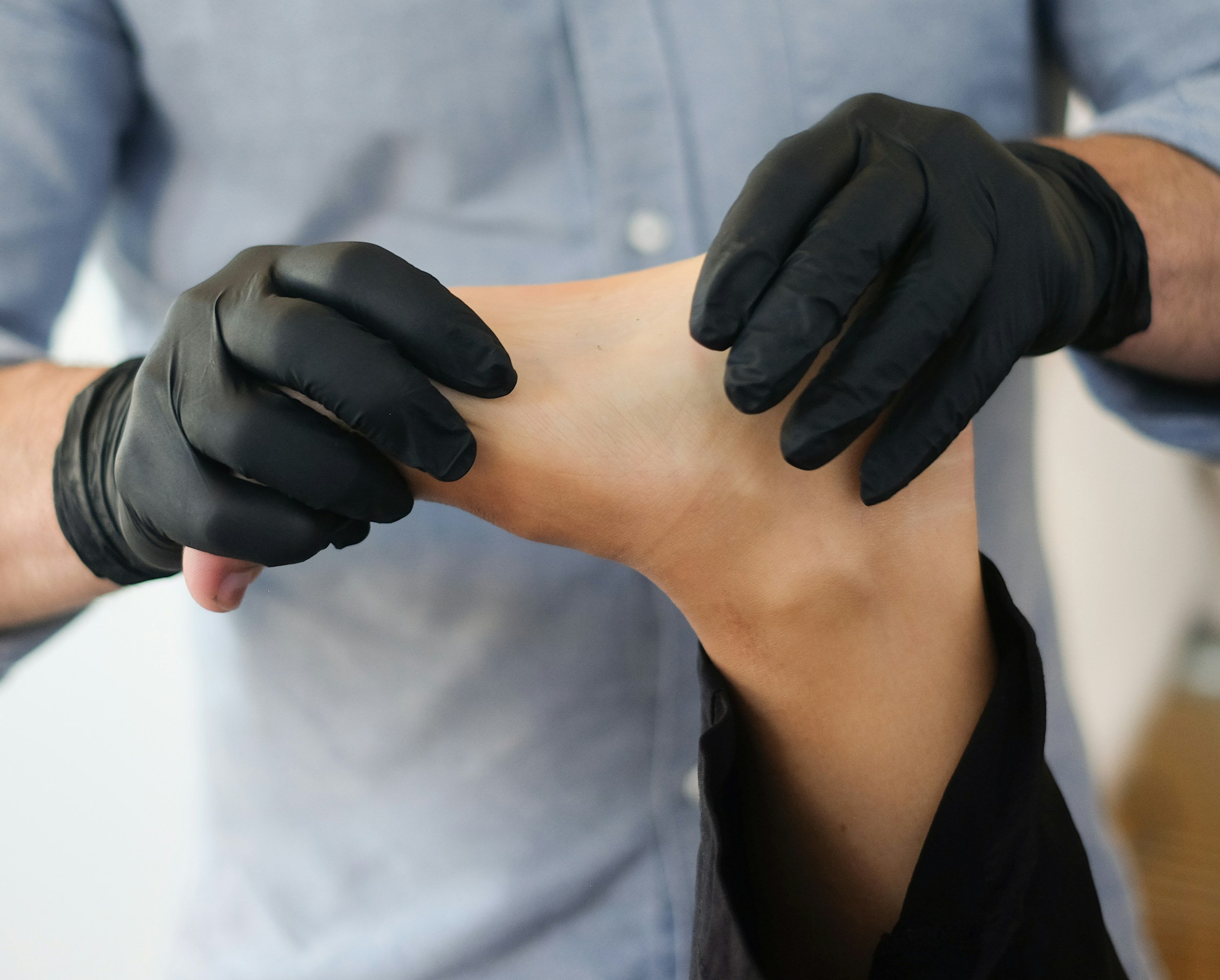
A sprained ankle can happen in a split second. You step off a curb, walk on an uneven sidewalk, slip during sports, or accidentally roll your foot inward—and suddenly, your ankle hurts.
At first, you may try to walk it off. But soon, swelling, throbbing pain, bruising, stiffness, and difficulty walking can make simple daily activities uncomfortable.
One of the most common questions we hear at JD AcuCare in Calgary is:
“Should I get treatment for my sprained ankle right away, or should I wait until the swelling goes down?”
The answer is: it is usually better not to wait too long.
From a Traditional Chinese Medicine (TCM) perspective, a sprained ankle is not only a local injury. Trauma can disrupt healthy circulation and movement around the injured area. In TCM language, this is often described as Qi and Blood stagnation, which may appear as pain, swelling, bruising, stiffness, and limited movement.
The key is that TCM treatment should change as the ankle heals. Early care focuses on pain, swelling, and fresh bruising. Later care focuses on stiffness, tendon-ligament support, strength, balance, and prevention of repeated sprains.
What Actually Happens When You Sprain Your Ankle?
A sprained ankle happens when the ligaments around your ankle are stretched or torn. Ligaments are strong bands of tissue that help keep your ankle stable and prevent it from twisting too far.
The most common type is a lateral ankle sprain, which usually happens when the foot rolls inward. This can injure the ligaments on the outside of the ankle, especially the ATFL (Anterior Talofibular Ligament) and CFL (Calcaneofibular Ligament).
Why Stage-Based TCM Treatment Matters
Many people stop caring for a sprained ankle once the sharp pain goes away. But less pain does not always mean the ankle has fully recovered.
The ankle may still be stiff, weak, swollen, or unstable. If the ankle does not regain proper movement, strength, balance, and stability, it may be more vulnerable to repeated sprains or chronic ankle instability.
In TCM, this is why treatment is adjusted by stage. The same sprained ankle may need different treatment approaches in the acute stage, subacute stage, strengthening stage, and prevention stage.
At JD AcuCare, TCM treatment may include acupuncture, herbal medicine, gentle soft tissue care, and supportive therapies when appropriate. Treatment is selected based on the stage of injury, the patient’s constitution, digestion, medications, overall health, and how the ankle is healing.
Stage 1: Acute Phase
Timing: Days 0–3
Signs: Sharp pain, swelling, heat, fresh bruising, difficulty walking
TCM Treatment: Move Qi and Blood gently, reduce swelling, calm pain, and protect the injured ligament.
At this stage, the ankle is newly injured and easily irritated. TCM treatment should be gentle. The goal is not to force movement, but to calm the injury and support healthy circulation around the swollen area.
Simple Home Care: Rest, protect, compress, elevate, and use cold therapy if the ankle is hot, swollen, or freshly bruised. Avoid heat, strong massage, and painful stretching in the first few days.
Stage 2: Early Subacute Phase
Timing: Days 4–14
Signs: Less sharp pain, remaining swelling, bruising, stiffness, guarded walking
TCM Treatment; Move Blood, clear residual stagnation, soften stiffness, and restore gentle movement.
At this stage, the ankle may feel better, but swelling, bruising, and stiffness often remain. TCM care focuses on clearing what is still blocked while helping the ankle move more comfortably.
Simple Home Care: Continue compression and elevation if swelling remains. Begin gentle pain-free ankle movement. Avoid running, jumping, pivoting, and uneven ground.
Stage 3: Strength and Stability Phase
Timing: Weeks 2–6
Signs: Less pain, stiffness, weakness, unstable feeling, limping, swelling after activity
TCM Treatment: Nourish and regulate the tendons, support joint stability, restore movement, and resolve lingering Blood stasis.
At this stage, the ankle may no longer feel sharply painful, but it may still be weak or unstable. TCM treatment focuses on supporting tendon-ligament recovery and helping the ankle regain normal movement.
Simple Home Care: Begin gentle strengthening and balance exercises within a pain-free range. Increase walking gradually. Reduce activity if swelling returns later that day or the next morning.
Stage 4: Prevention Phase
Timing: Weeks 4–6 and beyond
Signs: Pain is better, but the ankle may still feel weak, wobbly, stiff, or uncertain on uneven ground
TCM Treatment: Strengthen the root, support balance, improve circulation, and reduce recurrence risk.
This stage is often skipped, but it matters. Even after pain improves, the ankle may still need support to restore confidence, balance, and stability.
Simple Home Care: Continue balance and strengthening exercises even after pain improves. Wear supportive footwear and return to sports gradually.
What Happens If Each Stage Is Not Properly Supported?
Not every sprained ankle needs the same number of visits. Mild sprains may recover well with fewer sessions. Moderate or severe sprains may need more structured care.
However, if the ankle is not properly cared for through each stage, pain may improve before the ankle has fully regained movement, strength, balance, and stability. This can increase the chance of repeated sprains or chronic ankle instability.
This does not mean TCM treatment can guarantee faster ligament healing or completely prevent future injury. It means that stage-based care may help support a safer recovery process by matching treatment to what the ankle needs at that time.
When to See a Doctor Right Away
A sprain and a fracture can sometimes look similar. Please seek medical evaluation if you have:
Inability to bear weight or take a few steps
Severe pain directly over the ankle bone
Severe swelling or dark bruising
Visible deformity or misalignment
Numbness, tingling, or pins and needles
Pain that keeps getting worse
Symptoms that do not improve after several days of rest
Repeated ankle instability
Ready to Get Back on Your Feet?
There is not just one best time to treat a sprained ankle. The best care depends on where you are in the healing process.
Early TCM care helps calm pain, swelling, and bruising.
Follow-up TCM care helps restore movement, walking, strength, and stability.
Prevention-stage care helps reduce the chance of repeated ankle sprains.
At JD AcuCare in Calgary, sprained ankle treatment is personalized based on your pain, swelling, bruising location, walking ability, ligament involvement, TCM pattern, and stage of healing. Traditional Chinese Medicine, acupuncture, and herbal medicine may be used as supportive care for ankle pain, swelling, bruising, stiffness, and recovery after ankle sprain.
If you recently twisted your ankle, early care may help you recover more safely and return to confident movement